The application scenarios of low-viscosity melt pumps have long transcended the limitations of traditional extrusion lines, and they play an irreplaceable role in precise conveying in polymerization processes, general chemical processes, and various polymer material production links.
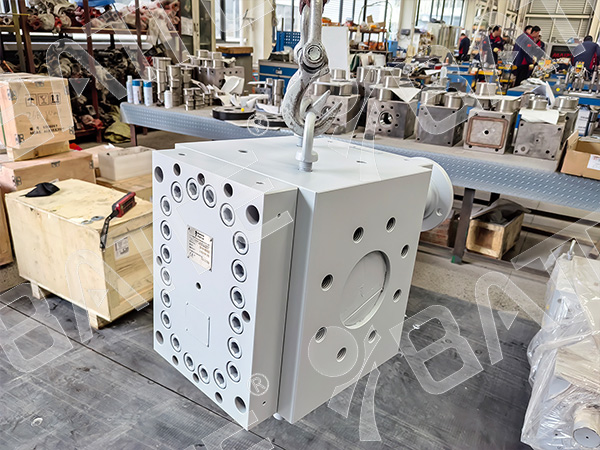
In the context of low-viscosity material conveying in general chemical processes, its value extends far beyond mere material transfer. When dealing with esters, oligomers, prepolymers, various solutions and colloids, chemical intermediates, and even some corrosive liquids, it enables precise delivery of materials to the next process under stable temperature, pressure, and flow parameters. Especially in continuous production systems, even minor fluctuations in flow rate can disrupt the final state of backend reactions, mixing, devolatilization, granulation, or molding. The high-precision metering characteristics of low-viscosity melt pumps precisely mitigate such process risks at the source.
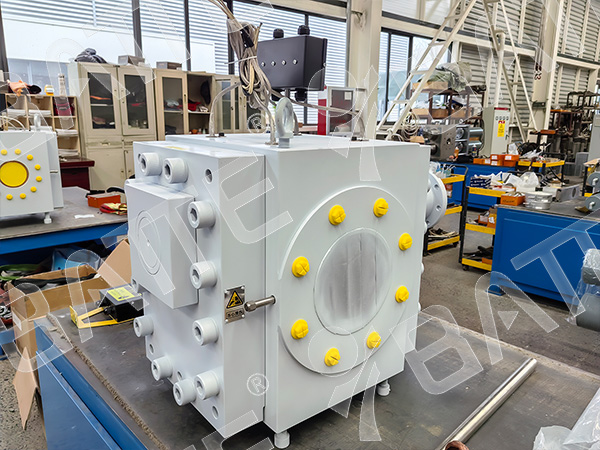
In the entire production process of degradable materials such as PLA, PBAT, and PGA, its adaptability advantage becomes further prominent. The viscosity of materials varies greatly across different process stages of these materials. Some processes involve high-viscosity melt states, while esterification, prepolymerization, and other steps exist in the form of low-viscosity prepolymers and intermediates. The temperature, pressure, viscosity, and even vacuum conditions at different locations are in dynamic changes. In such scenarios, there is no need to rigidly select pumps based on the "high viscosity/low viscosity" label. Low-viscosity melt pumps can be directly adapted to multiple low-viscosity process nodes such as esterification, prepolymerization, devolatilization, and pipeline pressurization, ensuring stable transportation throughout the entire process.
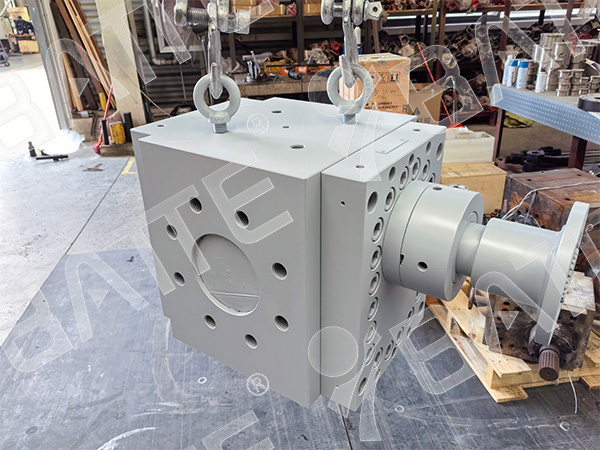
In the production processes of chemical fibers and polyesters such as PA, PET, and PET, low-viscosity melt pumps are the core supporting equipment for continuous production. They are commonly used for discharge pressurization, pressure stabilization and feeding before spinning, and stable conveyance in downstream processes. Under certain PA working conditions, the material itself may not have high viscosity, but the production still requires the use of melt pumps - downstream spinning, pelletizing, filtering, and other processes have far higher requirements for the stability of incoming materials than the basic need for "material supply". Only when the inlet flow rate and pressure remain stable can the consistency and pass rate of finished products be ultimately guaranteed.
Email: sale@meltpump.com
WhatsApp: +86 158 3833 1071