In the plastic processing industry, the efficiency and stability of extrusion equipment directly determine production costs and product quality. As core auxiliary equipment, melt pumps and screen changers play a vital role—melt pumps ensure uniform material conveying, while screen changers prevent impurities from affecting product quality. However, many factory owners and engineers face confusion when selecting equipment: how to match models with production lines? What parameters are critical? This article will provide a comprehensive guide to help you make the right choice.
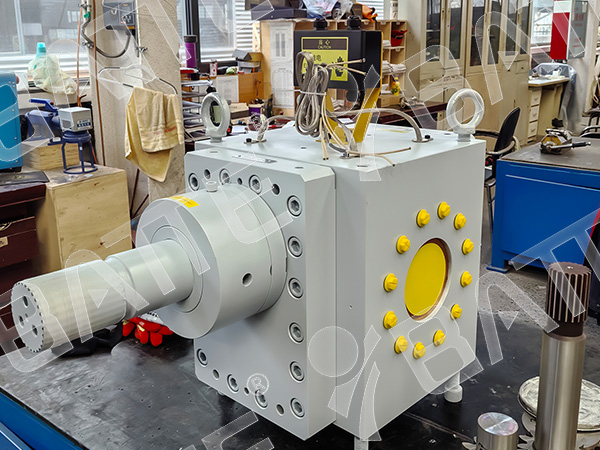
Key Factors to Consider When Selecting Melt Pumps
1. Match Production Capacity and Plastic Types
The flow rate and pressure of the melt pump must align with your extrusion line’s output and processed plastics. For high-volume production (e.g., 500kg/h+), choose a melt pump with a large flow rate; for special engineering plastics (e.g., PA, PC), prioritize high-pressure resistance to ensure stable operation. Avoid mismatched models, which may cause flow instability or equipment damage.
2. Prioritize Precision and Stability
High precision is the foundation of stable product quality. Look for melt pumps with precision machining (tolerance within 0.005mm) and advanced control systems. These features reduce flow fluctuations, minimize product defects, and ensure consistency across batches. Cheap, low-precision pumps may lead to frequent rework and increased costs.
3. Evaluate Durability and Maintenance Costs
Materials and structural design determine the equipment’s service life. Opt for melt pumps made of wear-resistant alloys with good high-temperature resistance. Additionally, choose models with simple maintenance structures to reduce downtime and labor costs during repairs.
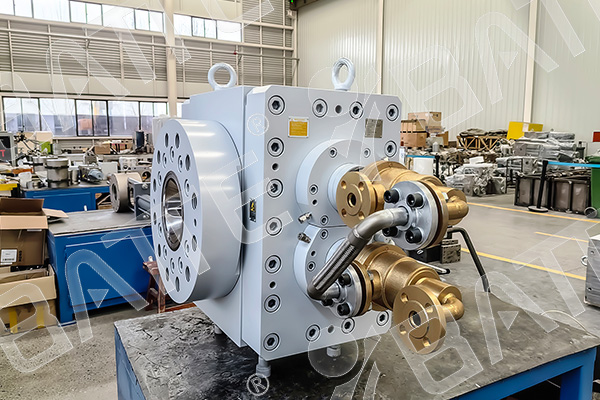
How Screen Changers Impact Your Production Efficiency
1. Minimize Downtime Through Efficient Design
Screen clogging is a common issue in extrusion production. Traditional screen changers require line shutdown for replacement, leading to significant downtime and material waste. Modern screen changers, such as continuous screen changers with backflushing functions, enable online replacement, reducing downtime to less than 5 minutes and improving production efficiency by 15% or more.
2. Ensure Filtration Quality
The screen changer’s filtration accuracy directly affects product quality. For products with high impurity requirements (e.g., food-grade plastic products), choose a screen changer with filtration accuracy of 20-50 microns. Meanwhile, ensure the screen changer has a stable clamping structure to prevent material leakage.
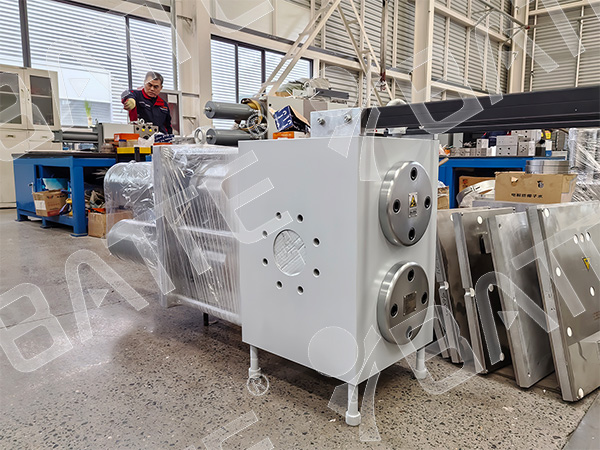
The Synergy of Melt Pumps and Screen Changers
Combining a high-performance melt pump and screen changer creates a complete solution for your extrusion line. The melt pump stabilizes material flow, while the screen changer removes impurities—together, they improve product yield, reduce waste, and lower overall production costs. Many factories have achieved a 20-30% increase in production efficiency and a 15% reduction in costs after upgrading to such systems.
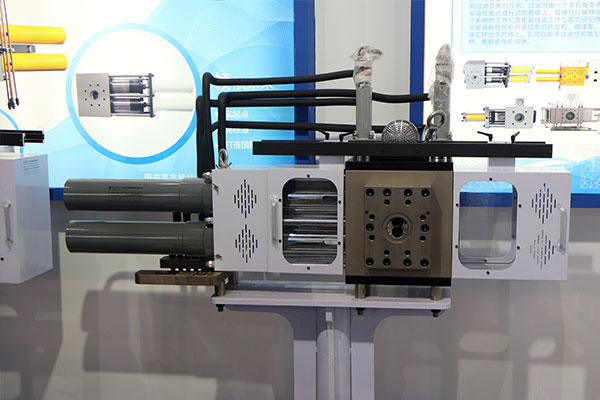
Why Our Melt Pump & Screen Changer Stand Out
Our equipment is designed with the above factors in mind:
Customizable models to match different production lines and plastic types.
High-precision machining and durable materials for long-term operation.
User-friendly design with simple maintenance and online replacement options.
Professional technical support and after-sales service to ensure optimal performance.
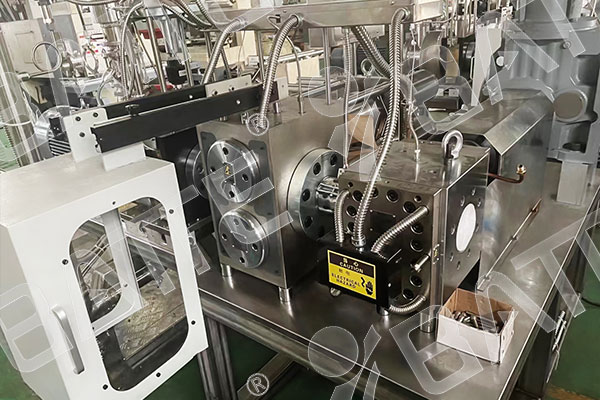
Selecting the right melt pump and screen changer is not just about buying equipment—it’s about investing in your production efficiency and long-term profits. By considering production capacity, plastic types, precision, and maintenance costs, you can choose equipment that fits your needs. Our high-precision melt pumps and screen changers are ready to help you optimize your extrusion line. Contact us today to discuss your requirements, and let’s help your business grow!
Email: sale@meltpump.com
WhatsApp: +86 158 3833 1071